The Homeowner’s Blueprint for Structural Exclusion and Long-Term Pest Management
Effective property management is often a game of inches. While many people view the arrival of uninvited wildlife or insects as a stroke of bad luck, it is more often a result of small, cumulative failures in a building’s exterior envelope. In the professional pest management industry, we call the solution “exclusion”—the art and science of physically barring entry to the myriad of creatures looking for warmth, water, and food. To truly protect a property, one must think like the intruder. A mouse can squeeze through a gap the size of a pencil; a raccoon can exert enough leverage to peel back a weakened soffit; and a termite can find a microscopic crack in a foundation if moisture is present. The following guide provides a comprehensive, deep-dive look into ten critical maintenance areas that serve as the front line of your defense. By focusing on these specific, actionable improvements, you can transform your home into a fortress that is naturally resistant to infestations without relying solely on chemical interventions.
Seal Every Gap in Your Outdoor Living Enclosures

The transition from your backyard to your interior starts with your porch or veranda. These areas are frequent congregation spots for flying insects that are attracted to the light and heat radiating from your home. Even the smallest tear in a mesh barrier can serve as a funnel, drawing pests toward your doorways where they eventually find their way inside. During your spring maintenance check, inspect the frames and splines of your patio screens for any signs of loosening or “pitting” caused by sun damage. Most homeowners don’t realize that standard fiberglass screening becomes brittle after only a few years of UV exposure. When the integrity of the mesh fails, even microscopic “pinholes” allow midges and gnats to enter, creating a food source for larger predators like spiders and centipedes. If you notice insects gathering inside the enclosure, it usually indicates a breach at the floor level or where the frame meets the house siding. Replacing damaged mesh with a higher-gauge, pet-resistant material not only improves the longevity of the enclosure but also provides a significantly more effective barrier against aggressive stinging insects and nocturnal moths.
Implement a Strict Sanitization Schedule for Backyard Water Features
Standing water is the ultimate attractant for both insects and the animals that prey on them. While most homeowners realize that stagnant water breeds mosquitoes, few recognize how quickly a neglected pool can become a complex ecosystem for aquatic pests. When organic debris like leaves and pollen are allowed to sit, they break down into a nutrient-rich “soup” that feeds larvae and attracts water beetles. Consistency is the key to prevention here. Rigorous, weekly swimming pool cleaning is essential to disrupt the life cycles of nuisance pests. The life cycle of a mosquito from egg to adult can take as little as seven to ten days, meaning even a single weekend of stagnant water can launch a new generation. By keeping the skimmer baskets clear and ensuring the filtration system is operating at peak efficiency, you remove the food sources that attract predators like frogs and raccoons. Furthermore, maintaining proper chemical balance ensures the water remains an inhospitable environment for larvae, protecting your family from water-borne pathogens and the local mosquito population.
Clear Internal Blockages to Eliminate Hidden Breeding Sites
Pests don’t always come from the outside; sometimes, they are cultivated within your own walls. The biofilm that accumulates inside plumbing fixtures is a primary breeding ground for several species of small flies, particularly drain flies and Phorid flies. These insects don’t just appear; they thrive in the moist, decaying organic matter that builds up in slow-moving pipes. To prevent an indoor infestation, homeowners should move beyond simple grocery-store chemical solutions and opt for a professional mechanical or enzymatic drain cleaning. Drain flies are incredibly resilient; they can survive being flushed with hot water because their larvae live deep within the gelatinous grime of the pipe walls. This cleaning process strips away the grease, hair, and biological sludge that serves as a nursery for these pests. When pipes are clear and flowing freely, you remove the damp environment that also attracts larger scavengers like cockroaches, which are notoriously drawn to the scent of fermenting organic waste in kitchen and bathroom plumbing.
Verify the Integrity of Underground Waste Systems
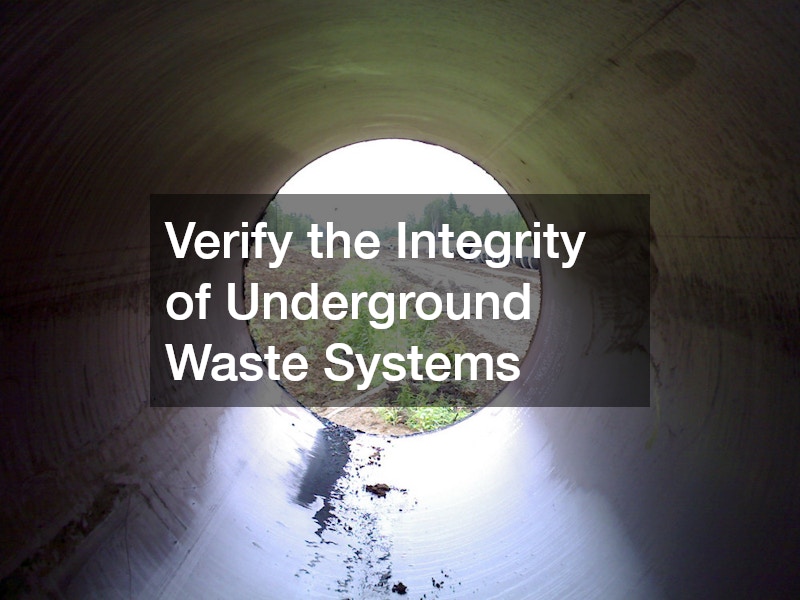
The most serious pest threats often travel through paths we never see. In urban and suburban environments, the municipal waste system is a primary habitat for the Norway rat. These rodents are highly capable swimmers and can navigate through plumbing traps if there is even a minor structural failure in the subterranean pipes. It is wise to include a camera inspection of your main sewer line as part of a long-term maintenance plan. Rats have collapsible rib cages, allowing them to fit through any opening the size of their head. If a pipe has been cracked by tree roots or soil shifting, it creates a “scent leak” that acts as a beacon for rodents and subterranean termites. By ensuring your underground infrastructure is airtight and structurally sound, you are closing off a major highway that pests use to bypass your foundation and enter the basement or crawlspace directly. This prevents the saturation of surrounding soil, which is often the primary attractant for worker termites looking to establish a new satellite colony near your home.
Inspect Higher Elevations for Potential Entry Points
Animals like squirrels, raccoons, and bats are “vertical” pests. They view your roof not as a shelter from rain, but as a series of potential doorways. They are particularly adept at finding soft spots in the eaves or gaps where different roof planes meet, using their teeth and claws to expand small openings into large holes. Homeowners should periodically consult with local roofers to conduct a “pest-eye view” inspection of the attic and roofline. Wildlife exclusion at the roofline is complex because of airflow requirements; you cannot simply caulk every gap, as your attic needs to breathe to prevent mold. Professional roofers can identify the subtle signs of an attempted breach, such as rub marks from animal fur or gnawed shingles, and use specialized “exclusion materials”—like stainless steel wool or galvanized hardware cloth—that allow air to pass but stop teeth and claws. Sealing these areas is a specific, actionable step that prevents high-level infestations before they can lead to expensive attic remediation and insulation replacement.
Secure Rural Water Sources from Small Intruders
For homes that rely on independent water systems, the well head is a critical but often overlooked vulnerability. A loose or damaged cap on a well casing can allow spiders, earwigs, and even small rodents to fall directly into your water supply. This isn’t just a pest problem; it’s a significant sanitary risk that can introduce bacteria into your home. It is vital to work with experienced local well pump companies to ensure that your system is equipped with a modern, vermin-proof cap. Traditional well caps are often just a loose-fitting metal cover that does nothing to stop ants, which are drawn to the cool, moist air rising from the well. Once insects enter the well, they eventually die and decompose, which can lead to coliform bacteria spikes in your water tests. Regular professional inspections of the well’s exterior components ensure that the structural integrity of the casing remains intact, keeping your water pure and your home’s utility system pest-free through specialized, fine-mesh screens that block even the smallest insects while allowing the well to breathe.
Replace Aging Materials Before Structural Failure Occurs

There comes a point where simple patching is no longer a viable defense. As roofing materials age, they become brittle and porous, holding onto moisture that eventually rots the wooden decking underneath. Soft, damp wood is an open invitation for carpenter ants, termites, and wood-boring beetles, which can cause significant structural damage in a short amount of time. If your roof is reaching the twenty-year mark, investing in a local roof replacement is one of the most effective long-term pest prevention measures you can take. Old roofs often suffer from “delamination,” where the layers of shingles separate and trap heat and moisture, creating a perfect microclimate for silverfish and firebrats. A new roof provides a seamless, dry barrier that is significantly harder for animals to penetrate and far less attractive to wood-destroying organisms. Modern roofing systems also include better ventilation and weather-stripping, which reduces the heat and humidity in the attic—two factors that are essential for most pests to thrive throughout the year.
Fix Exterior Leaks to Manage Foundation Moisture
Moisture is the single greatest attractant for the most destructive pests on the planet: termites. These insects require high humidity and constant moisture to survive, making dry soil your best defense. When exterior pipes or utility systems leak, they saturate the soil near your foundation, creating a perfect “bridge” for termites to move from the ground into your home’s wooden framing. If you notice unexplained dampness or pooling water near your well equipment, you should immediately schedule a well pump repair. Subterranean termites build “mud tubes” to travel from the soil to your home, and these tubes are much easier for them to construct in wet, soft soil. Furthermore, many pests use movement toward water to find resources; if your yard is bone-dry except for one leaking pipe near the house, you have effectively created a homing beacon for every insect in the neighborhood. Beyond the mechanical necessity of the fix, you are performing critical pest maintenance. By keeping the soil around your foundation dry, you are making your home significantly less attractive to subterranean termites and moisture-loving pests like silverfish and centipedes.
Create a Physical Barrier with Modern Perimeter Defense
Wildlife management is often about setting boundaries. Larger animals like deer, coyotes, and stray dogs often carry parasites like fleas and ticks, which can be dropped in your lawn and eventually carried into your house by pets or on your own clothing. The closer these animals forage to your back door, the higher the risk of a secondary infestation inside. Implementing a robust access control strategy—such as automated gates and secure perimeter fencing—is a highly effective way to manage these larger “vectors.” Ticks, in particular, do not travel far on their own; they wait on blades of grass for a host to pass by. When deer or raccoons frequent your immediate patio area, they drop egg-carrying ticks right where you walk. By physically limiting the ability of wildlife to wander through your yard, you reduce the environmental load of parasites on your property. This proactive boundary-setting creates a “buffer zone” of safety, which is especially important for larger estates or homes bordering wooded areas, where the pressure from the local animal population is constant.
Seal Mechanical Penetrations During Regular System Tuning
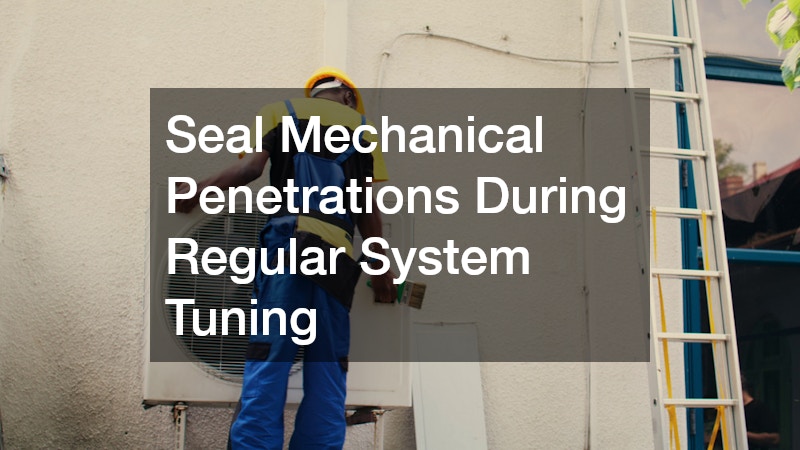
Your HVAC system requires several lines to pass from the exterior condenser to the interior air handler. These penetrations are frequently the “forgotten” entry points of the home. Over time, the sealant around these pipes can crack or shrink, leaving a hole just large enough for a mouse or a colony of ants to enter the wall cavity. A simple yet effective tip is to have these seals inspected during every air conditioning repair or seasonal tune-up. Mice are especially attracted to the vibrations and warmth of HVAC lines during the winter months. If there is even a tiny gap where the line enters the siding, a mouse will chew at the insulation until the hole is large enough to enter, often leading to short circuits and expensive repairs. Ensuring that the technician applies fresh, high-quality silicone caulk or specialized copper mesh around the refrigerant lines and electrical conduits is a low-cost fix that prevents high-stress pest issues. By keeping these mechanical entry points airtight, you are not only improving your home’s energy efficiency but also closing the final door on opportunistic pests.
Summary of Integrated Exclusion Tactics
The transition to a pest-resistant home is not an overnight process, but rather a commitment to high-quality property maintenance. When you view every repair through the lens of exclusion, you begin to see your home’s vulnerabilities before the local wildlife does. By prioritizing structural integrity—from the highest shingle on your roof to the deepest pipe in your yard—you create an environment that is naturally inhospitable to intruders.
Remember that the goal of integrated pest management is to reduce the reliance on reactive measures by focusing on long-term, sustainable solutions. A home that is dry, sealed, and well-maintained is a home that rarely needs the intervention of a technician. By following these actionable maintenance steps, you are protecting your property value, your family’s health, and your own peace of mind.
