Every year, millions of homeowners battle invasive pests, from crawling insects and rodents to destructive wood-boring organisms. Most people react only after noticing an active invasion—setting traps, spraying store-bought pesticides, or frantically calling for emergency help. However, reactive pest management is rarely a complete solution. It addresses the immediate nuisance without fixing the environmental factors that invited the invaders in the first place.
True, lasting protection requires a proactive perimeter defense strategy. Pests do not simply materialize inside living spaces; they take advantage of overgrown foliage, unsealed structural cracks, standing water, and neglected rooflines to find food, moisture, and shelter. By treating your property as an interconnected ecosystem—where trees, soil, foundation, plumbing, and roof systems work together—you can create a physical environment that is naturally hostile to pests while maintaining a comfortable, secure home for your family.
Managing Arbor and Tree Care to Eliminate Aerial Pest Highways
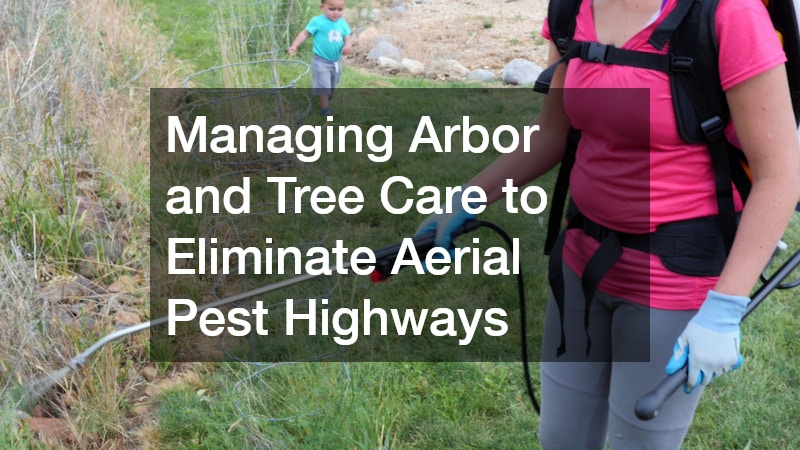
The trees surrounding your home add beauty, shade, and property value, but when left unmanaged, mature trees become direct aerial highways for wildlife and climbing insects. Overhanging branches act as bridges that allow animals to bypass ground-level defenses and land directly on your roof, gutters, and attic entry points.
Pruning Overhanging Branches and Clearing Hazardous Deadwood
Proper tree maintenance starts with keeping branches away from your home’s exterior envelope and removing dying limbs before they turn into nesting habitats.
-
Maintain Adequate Clearance: Prune all tree limbs so they remain at least six to ten feet away from rooflines, siding, and chimney flues. This distance prevents squirrels, raccoons, roof rats, and carpenter ants from jumping or crawling onto your roof.
-
Eliminate Nesting Habitats: Dying or rotting wood within tree canopies acts as an ideal nesting site for wood-boring beetles, termites, and carpenter ants. Hiring a specialized deadwood removal service ensures that hollow, decaying limbs are safely cut away before insect colonies expand toward nearby structures.
-
Inspect Canopies Seasonally: Check tree canopies during early spring and late autumn to identify weakened limbs, fungal growth, or animal nests that could pose a threat during severe weather.
Removing dead and decaying branches eliminates fungal growth and moisture pockets that attract destructive insects. Keeping branches trimmed back protects your roof shingles from mechanical damage while cutting off the primary pathways pests use to access your attic.
Removing Diseased Trees and Managing Structural Tree Health
When trees experience severe disease, structural rot, or widespread pest infestation, selective pruning may not be enough to protect your property.
-
Identify Telltale Signs of Decay: Look for fungal brackets, hollow trunks, peeling bark, or piles of sawdust near the base of mature trees. These signs indicate severe internal degradation that weakens the tree and attracts subterranean pests.
-
Safely Remove Hazardous Trees: When a tree near your foundation becomes compromised beyond recovery, engaging a certified local tree removal service ensures the structure is safely dismantled without damaging surrounding property or dispersing pest colonies toward your home.
-
Maintain Ongoing Tree Care: Partnering with a professional local tree service allows you to establish a schedule for routine health assessments, deep-root fertilization, and canopy thinning to keep your landscape trees strong, healthy, and pest-resistant.
Healthy trees are naturally equipped to defend against insect attacks through sap production and bark resilience. By removing dead or dying trees and keeping healthy ones well-maintained, you eliminate major breeding grounds for wood-destroying organisms right at the edge of your property.
Transforming Your Yard and Soil into a Pest-Resistant Environment
The ground surrounding your home plays a crucial role in overall pest defense. Soil conditions, landscaping materials, organic waste, and subterranean decaying matter can either repel pests or encourage them to build colonies right next to your foundation.
Eliminating Subterranean Nesting Sites and Underground Decay
What lies beneath the surface of your lawn can be just as problematic as overgrown branches above ground. Decaying organic matter hidden in the soil acts as a massive magnet for subterranean insects.
-
Remove Remaining Stumps Promptly: Leaving tree stumps in the ground after cutting down a tree invites serious trouble. As underground root systems decompose, they attract subterranean termites, carpenter ants, and burrowing rodents searching for shelter.
-
Grind Stumps Below Soil Level: Utilizing a professional stump grinding service grinds the wood down several inches below the surface, destroying underground root crowns and turning potential pest harbors into clean, usable soil.
-
Refill and Compact Depressions: After grinding out a stump, fill the remaining hole with clean topsoil and compact it firmly to prevent rainwater from pooling, which creates breeding grounds for mosquitoes and egg-laying insects.
Eliminating underground wood structures removes the hidden food sources that sustain termite colonies for years before they are discovered. Keeping your soil free of decaying timber ensures that subterranean pests look elsewhere for food and shelter.
Selecting Pest-Deterring Plants and Managing Landscape Materials
The choices you make when designing garden beds, choosing mulch, and selecting plants directly influence how attractive your yard is to roaming insects and rodents.
Integrating natural pest-deterring plants into your landscape design offers a chemical-free way to repel unwanted insects. Sourcing lavender, peppermint, marigolds, lemongrass, and rosemary from a local lawn and garden center gives you natural choices for perimeter flower beds near windows and entry doors. Beyond plant selection, managing ground covers is equally important. Organic wood mulch retains moisture and breaks down over time, creating an ideal environment for termites, earwigs, and millipedes. Replacing wood mulch near your home with a 12-to-18-inch border of crushed stone or pea gravel creates a dry barrier that discourages insects from crawling toward your foundation.
Sealing the Foundation and Controlling Subterranean Moisture
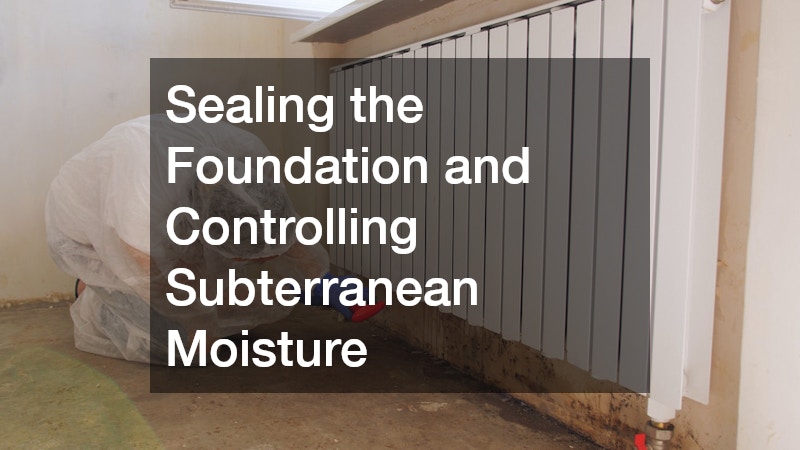
Your home’s foundation is its most critical structural component, but it is also highly vulnerable to moisture buildup and pest entry. Pests of all kinds require water to survive, and a damp, cracked foundation creates the ideal environment for subterranean infestations.
Repairing Foundation Leaks and Eliminating Sub-Slab Moisture
Plumbing leaks beneath concrete slabs often go unnoticed for months, quietly saturating the surrounding soil and creating damp conditions that draw pests directly under your home.
-
Watch for Hidden Leak Indicators: Keep an eye out for unexplained spikes in your water bill, warm spots on tile floors, damp carpets, or persistent musty odors along ground-level walls.
-
Address Sub-Slab Leaks Urgently: When a water line bursts or develops a pinhole leak underneath your foundation, arranging an under slab plumbing repair is critical. Stopping the flow of subterranean water prevents soil erosion, eliminates damp voids, and starves subterranean termites, silverfish, and drain flies of the moisture they need to thrive.
-
Seal Utility Pipe Penetrations: Inspect areas where water lines, electrical conduits, and drain pipes pass through concrete walls or floor slabs, filling open gaps with hydraulic cement or heavy-duty sealant.
Fixing hidden plumbing leaks stops structural damage while cutting off the underground water sources that attract subterranean pests. Keeping the soil beneath your slab dry removes the primary reason pests tunnel beneath your home.
Waterproofing Basements and Eliminating Crawlspace Humidity
Basements and crawlspaces are prone to dampness due to groundwater seepage, high humidity, and poor ventilation. Keeping these lower levels dry is essential for preventing long-term structural decay and pest invasions.
-
Control Below-Grade Dampness: Install internal drainage channels, heavy-duty sump pumps, and sealed vapor barriers to keep groundwater from seeping through porous concrete walls and dirt floors.
-
Seal Concrete Wall Cracks: Partnering with a qualified basement waterproofing contractor ensures that exterior wall cracks, floor joints, and porous masonry are sealed with professional-grade waterproof membranes that block both water seepage and crawling insects.
-
Maintain Relative Humidity Control: Run commercial-grade dehumidifiers in basements and crawlspaces to keep relative humidity levels below 50 percent, preventing fungal growth, dust mite proliferation, and conditions that attract centipedes, sowbugs, and spiders.
Creating a dry basement or crawlspace transforms an inviting pest habitat into an inhospitable environment. Eliminating excess moisture protects your home’s floor joists from dry rot while keeping moisture-seeking pests from settling indoors.
Fortifying Rooflines, Flues, and Exterior Penetrations
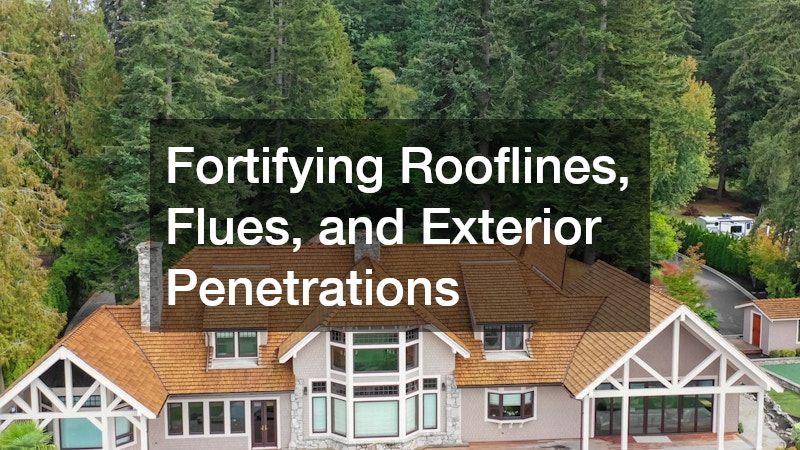
While foundations are vulnerable to subterranean pests, rooflines and upper exterior walls are prime targets for climbing animals and flying insects. Securing roof penetrations, chimney openings, and wall vents creates a strong upper defense that keeps wildlife out of your attic and living spaces.
Protecting Flues and Roof Vents from Nesting Animals
Open chimneys, unmeshed attic vents, and loose soffits are wide-open invitations for animals seeking warm, dry places to build nests and raise young.
-
Cap Open Chimney Flues: Uncapped chimneys offer easy access for raccoons, bats, squirrels, and chimney swifts. Installing heavy-duty stainless steel chimney caps with integrated spark arrestors and fine wire mesh keeps animals out while allowing smoke and gases to vent safely.
-
Protect Masonry and Flue Linings: Over time, extreme heat and weather degrade interior masonry. Installing durable chimney liners restores structural integrity, seals internal cracks where bats or birds might roost, and prevents smoke and dangerous gases from leaking into interior walls.
-
Cover Attic and Soffit Vents: Secure all ridge vents, gable end vents, and open soffits with quarter-inch galvanized hardware cloth to keep climbing rodents from chewing through plastic or aluminum covers.
Securing chimney flues and attic vents keeps wildlife from turning your upper levels into nesting sites. Protecting these open entry points prevents structural damage, reduces noise disruptions, and eliminates health hazards associated with animal droppings.
Sealing Wall Gaps and Exterior Penetrations
Small gaps around exterior doors, windows, utility lines, and siding edges may seem harmless, but they serve as easy entry points for insects and small rodents.
Conducting a thorough inspection of your home’s exterior walls helps identify hidden gaps before pests find them. Check expanding joints, corner boards, window frames, and the gap where your siding meets the foundation. Mice can squeeze through holes the size of a dime, while young rats can fit through openings no larger than a quarter. Use a combination of copper mesh, stainless steel wool, and silicone caulk to seal small gaps, as rodents can easily chew through expanding foam alone. Additionally, installing heavy-duty door sweeps and fresh weatherstripping on all exterior doors creates a tight seal that keeps out crawling insects and cool drafts.
Professional Defense Strategies for Active and Preventative Pest Control
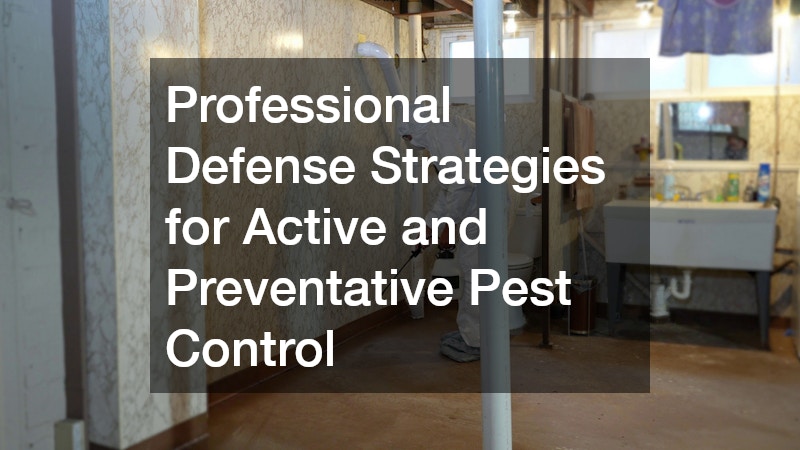
While proactive structural repairs, landscape management, and moisture control form the foundation of property defense, combining these physical barriers with professional pest services ensures complete, long-term protection against persistent pests.
Establishing Professional Perimeter Defense Barriers
Creating a protective barrier around your home’s perimeter stops crawling insects long before they reach entry doors, patio sliders, or foundation vents.
-
Apply Scheduled Perimeter Treatments: Regular exterior applications create an invisible barrier around your home’s foundation, window wells, and door frames, stopping ants, spiders, cockroaches, and centipedes before they step foot inside.
-
Enlist Expert Pest Specialists: Partnering with established pest control services gives you access to professional-grade products, specialized application equipment, and trained technicians who understand local pest behavior and seasonal movement patterns.
-
Set Up Discreet Monitoring Stations: Place non-toxic monitoring stations in garages, basements, and utility rooms to catch early signs of pest activity before an infestation takes hold.
Professional perimeter treatments provide an extra layer of defense that complements your physical maintenance efforts. Relying on trained technicians ensures that treatments are applied safely, effectively, and in full compliance with environmental standards.
Eradicating Active Rodent Infestations and Securing Interior Spaces
When rodents manage to breach exterior defenses, immediate and targeted action is required to eliminate the threat before populations multiply and cause severe property damage.
-
Recognize Early Warning Signs: Watch for small, dark droppings along baseboards, gnaw marks on food packaging, shredded insulation, grease rub marks along walls, or scratching noises coming from ceilings and wall voids at night.
-
Bring in Specialized Exterminators: When mice or rats establish an active indoor nest, hiring experienced mice exterminators ensures a strategic approach involving professional trapping, nest removal, and complete exclusion work to seal the specific entry points used by the rodents.
-
Maintain Strict Interior Food Sanitation: Store all pantry goods, pet food, and birdseed in airtight glass or thick plastic containers. Wipe down kitchen counters daily, sweep up food crumbs, and avoid leaving dirty dishes or standing water in sinks overnight.
Eradicating active rodent populations demands thoroughness and expertise. Combining professional trapping with rigorous food sanitation and permanent exclusion work ensures that once rodents are removed, they cannot return.
Achieving Long-Term Peace of Mind Through Integrated Maintenance
Protecting your home from invasive pests is an ongoing process that requires attention to both the big picture and the small details. Pests are opportunistic creatures, constantly searching for subtle weaknesses in your property’s defenses. By taking a proactive approach—managing your trees, maintaining healthy soil, eliminating foundation moisture, securing roof lines, and partnering with experienced professionals—you build a strong defense that stops pest problems before they begin.
A well-maintained property is naturally resistant to pests, structurally sound, and far more comfortable for your family. Taking time today to inspect your yard, check your foundation, and schedule necessary maintenance yields long-term dividends in property value, safety, and peace of mind. Investing in integrated property maintenance ensures that your home remains a safe, comfortable sanctuary for years to come.
