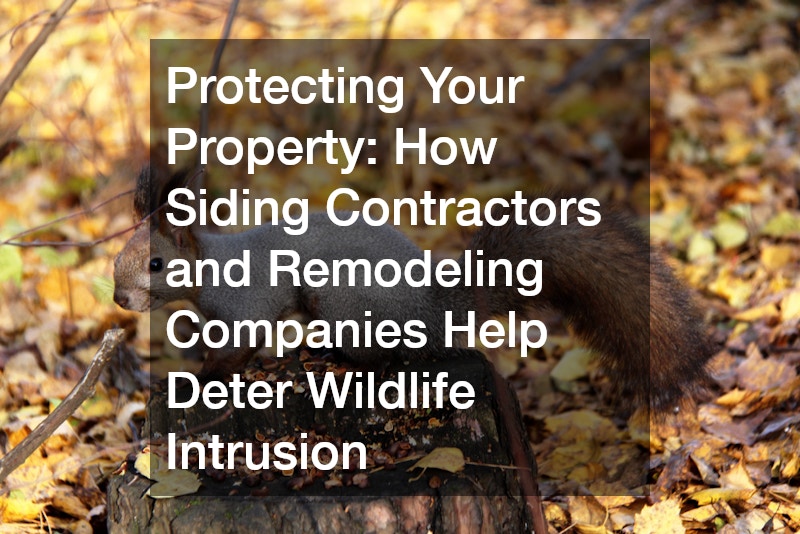
Wildlife intrusion into homes and properties is a challenge that many homeowners face, especially as expanding development and environmental changes push animals closer to human habitats. Whether it’s raccoons rummaging in attics, rodents nesting in crawlspaces, or birds roosting under eaves, unwanted wildlife can cause significant damage, pose health risks, and create stressful living situations.
Preventing these intrusions requires more than just trapping or deterrents; it begins with securing your property’s structure to eliminate entry points and reduce attractants. This is where the expertise of professional contractors specializing in siding, roofing, and remodeling can be a game changer. By reinforcing the physical integrity of your home and outbuildings, they help create a barrier that wildlife cannot easily penetrate.
In this article, we will explore specific, practical steps you can take—often in partnership with qualified siding contractors and remodeling companies—to protect your property from wildlife intrusion. From sealing vulnerable areas to managing outdoor environments, these measures will not only improve your home’s security but also preserve its value and comfort.
Seal Entry Points with Quality Exterior Upgrades

One of the most critical steps in preventing wildlife intrusion is sealing off all potential entry points on the exterior of your home. Animals like squirrels, raccoons, and rats are experts at finding even the smallest gaps—cracks in siding, loose panels, or deteriorated seals—that can serve as gateways into your living spaces.
A siding contractor plays a vital role in this process. These professionals have the experience to assess your home’s exterior and identify weak spots that may not be obvious to an untrained eye. They can replace damaged or warped siding with materials designed to resist animal damage and weathering.
Tips to effectively seal your home’s exterior:
Schedule a professional inspection with a siding contractor to evaluate your home for holes, cracks, or loose boards.
Replace any broken or missing siding panels promptly.
Use high-quality caulking or sealant around windows, doors, vents, and where siding meets other materials.
Consider metal flashing or wire mesh in vulnerable spots, such as near rooflines or under eaves, to deter chewing animals.
Maintain vegetation and trim branches away from siding to reduce access points for climbing animals.
Regular upkeep and timely repairs by a siding contractor can drastically reduce wildlife access and improve your home’s overall resilience.
Reinforce Vulnerable Structural Areas with Remodeling Expertise
Remodeling projects present an excellent opportunity to integrate wildlife-proofing measures into your home’s structure. Whether you are planning a kitchen remodel or updating other parts of your home, remodeling companies can help reinforce weak points that wildlife commonly exploit.
During a kitchen remodel, for example, walls, cabinetry, and utility areas are often opened up, giving contractors the chance to inspect for hidden entryways and address them before finishing. They can install wildlife-resistant materials such as metal mesh behind drywall or use stronger, sealed materials around plumbing and electrical access points where animals might squeeze through.
Key remodeling tips to deter wildlife:
Request that your remodeling company check for holes or gaps around pipes, vents, and ducts.
Use metal flashing or sturdy sealants in remodeled areas prone to animal entry.
Upgrade window and door frames with weather-stripping and tight seals.
Replace old vents with animal-proof vent covers.
Ask contractors to include wildlife prevention as part of their standard scope when renovating.
Remodeling is an ideal time to fix structural issues that have long been overlooked and reinforce your home’s defenses against wildlife.
Improve Roof and Gutter Systems to Block Animal Access
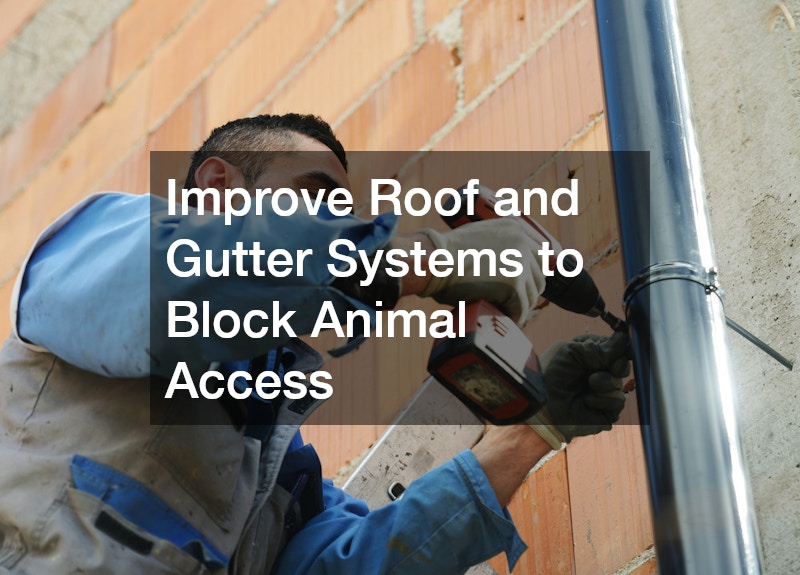
The roof and gutter system is a common entry point for many types of wildlife. Birds may nest in gutters, raccoons can tear up shingles or access soffits, and rodents often squeeze through holes in flashing or damaged roof areas.
Hiring professionals for a new roof install or roof repairs ensures these vulnerable areas are properly sealed and reinforced. A new roof installation involves inspecting for gaps, replacing damaged shingles, and securing flashing around chimneys, vents, and edges. Roof repairs fix existing damage that could be exploited by wildlife.
Additionally, proper gutter maintenance and installation of gutter guards can prevent debris buildup that attracts animals looking for nesting sites.
Roof and gutter maintenance tips:
Schedule roof inspections after storms or once a year to catch and repair damage early.
Use metal flashing and sealants around vulnerable roof penetrations.
Install gutter guards to prevent leaves and debris from accumulating.
Clear gutters regularly to avoid water pooling and creating inviting habitats.
Ensure overhanging tree branches are trimmed to keep animals from jumping onto the roof.
Well-maintained roofs and gutters form a strong frontline defense against wildlife intrusion.
Secure Outbuildings and Storage Areas to Avoid Attracting Wildlife
Many properties include outbuildings like pole barns used for storage or agricultural purposes. These structures often attract wildlife seeking shelter or access to stored food and animal feed. Pole barns, by their very nature, tend to be large, open, and sometimes less insulated than primary residences, making them ideal hiding spots for a variety of animals. From mice and rats to raccoons, opossums, and even birds, these animals are attracted not only by the shelter pole barns provide but also by the availability of food sources stored inside or nearby.
Pole barns can have gaps, holes, or poorly sealed doors that invite rodents, raccoons, or even larger animals inside. The construction of many pole barns involves wooden posts and metal or wooden panels, which over time can loosen, warp, or sustain damage from weather or wear. These imperfections create easy access points for animals who can squeeze through surprisingly small openings. Additionally, improperly stored animal feed for sale or personal use becomes an irresistible lure for wildlife. Feed bags left open or spilled on the floor provide a steady food source, encouraging animals to nest and multiply within the barn itself.
This combination of shelter and food can lead to infestations that are difficult to eradicate and can cause costly damage to both the structure and its contents. Wildlife in pole barns may chew through wiring, contaminate feed with droppings, and create nests in insulation or stored materials. These problems not only affect the barn but can also spill over to the main home, increasing the urgency of prevention and repair.
Contractors specializing in wildlife-proofing and remodeling can seal these outbuildings by replacing damaged panels, installing secure doors and windows, and adding physical barriers such as heavy-gauge wire mesh over vents or gaps. They can also suggest better storage solutions for animal feed, such as elevated, sealed containers that prevent access. Additionally, contractors can help improve lighting and ventilation, as well-lit and well-ventilated spaces tend to be less attractive to wildlife seeking dark, humid environments. Regular maintenance and inspection, combined with these professional improvements, greatly reduce the chances of wildlife infestation in pole barns and other outbuildings, helping to keep your entire property safer and cleaner.
Tips for wildlife-proofing outbuildings:
Inspect pole barns regularly for holes, cracks, or weak doors.
Store animal feed in sealed, rodent-proof containers or bins.
Avoid leaving feed piles or spilled grain on the floor.
Use heavy-duty wire mesh to cover vents or openings.
Keep surrounding areas clean and free of debris or dense vegetation.
Taking these steps helps reduce the risk of wildlife infestation in secondary structures, which can quickly spread to your main home.
Encapsulate Crawlspaces to Eliminate Hidden Entryways
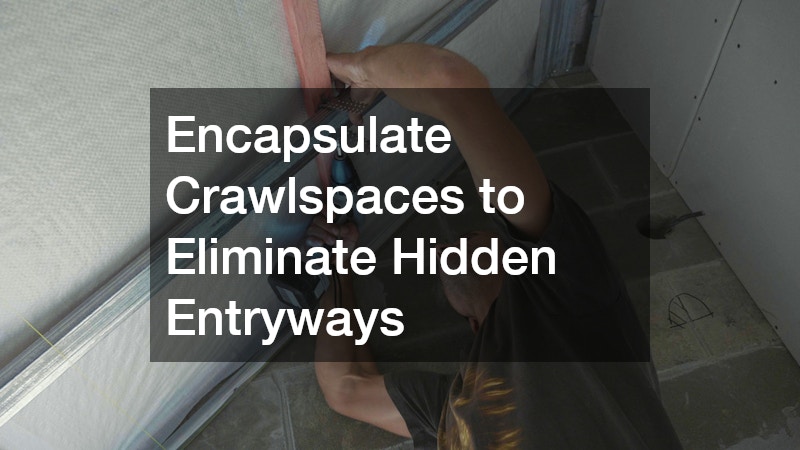
Crawlspaces are dark, damp areas under many homes that provide perfect conditions for wildlife to nest and hide. Rodents, snakes, and even larger mammals can enter crawlspaces through gaps in the foundation or vent openings.
Crawlspace encapsulation is a specialized technique that involves sealing the crawlspace with durable vapor barriers and insulating materials to create a closed environment that wildlife cannot penetrate. This process also improves your home’s energy efficiency and reduces moisture-related problems.
A professional contractor trained in crawlspace encapsulation will install thick plastic sheeting over the ground and seal the walls and vents tightly.
Benefits and tips for crawlspace encapsulation:
Prevents animal intrusion by sealing all foundation gaps.
Reduces moisture that attracts insects and animals.
Improves indoor air quality and energy efficiency.
Requires professional assessment to ensure proper installation.
Homeowners should regularly inspect crawlspaces for signs of damage or water intrusion.
By investing in crawlspace encapsulation, you effectively remove a hidden and highly attractive entryway for wildlife.
Maintain Functional and Secure Garage Areas
Garages are often overlooked as entry points for wildlife, but small animals can easily squeeze through gaps in doors, poorly sealed edges, or pet doors. This can lead to nesting inside garages, damage to stored items, and potential access to the home.
Regular garage door repairs are essential for maintaining tight seals and proper functioning. A malfunctioning door may not close completely or allow animals to push their way in.
Garage maintenance tips:
Inspect garage doors for cracks, holes, or gaps around the frame.
Repair or replace worn weather stripping to create a tight seal.
Ensure automatic closers are working correctly to prevent doors from staying open.
Consider installing metal kick plates at the bottom of doors to deter chewing.
Keep garage doors closed when not in use, and avoid leaving pet doors open overnight.
Properly maintained garage doors significantly reduce wildlife’s ability to enter your property through this vulnerable zone.
Manage Waste and Debris to Reduce Wildlife Attraction
Clutter, waste, and debris piles are major attractants for wildlife looking for food or shelter. Animals are drawn to garbage cans, compost piles, and construction debris—making it crucial to manage waste properly, especially during remodeling or large cleanouts.
Dumpster rental services are commonly used during such projects but must be handled responsibly to avoid becoming wildlife magnets.
Effective waste management tips:
Choose dumpsters with secure lids and covers to prevent animal access.
Schedule frequent dumpster pickups to avoid overflow.
Store garbage cans inside garages or sheds if possible.
Clean up food scraps and spills immediately during remodeling.
Remove construction debris promptly and keep the site tidy.
Good waste management practices reduce the overall attractiveness of your property to wildlife and complement structural prevention efforts.
Coordinate with Contractors for Comprehensive Wildlife Prevention
While individual repairs and upgrades help, the best defense against wildlife intrusion comes from a comprehensive, coordinated approach. Working closely with siding contractors and remodeling companies ensures all vulnerable areas are addressed simultaneously.
A team approach allows for:
Thorough inspection of all exterior and interior potential entry points.
Coordinated scheduling of roof repairs, siding replacement, and interior remodeling.
Integrated use of wildlife-resistant materials and construction techniques.
Tailored wildlife-proofing plans based on the property’s unique needs.
When hiring contractors, ask about their experience with wildlife prevention and ensure they provide detailed assessments and recommendations.
Wildlife intrusion is a complex challenge that requires proactive, thorough, and well-planned solutions. By leveraging the expertise of siding contractors and remodeling companies, you can reinforce your property’s defenses at every potential point of entry—from exterior siding and roofing to crawlspaces and garages.
Coupled with good waste management and outbuilding maintenance, these structural improvements drastically reduce the risk of unwanted wildlife inside your home. Taking these steps not only protects your property and health but also preserves the comfort and value of your home for years to come.
It’s important to understand that wildlife intrusion is not a one-time problem but an ongoing risk that requires vigilance. Animals are persistent and adaptable, especially when food and shelter are readily available. Therefore, maintaining a routine of regular inspections and maintenance is crucial to ensure that any new vulnerabilities are caught and addressed quickly. Seasonal changes, weather events, and normal wear and tear can all create new opportunities for wildlife to invade.
Furthermore, engaging with professionals who have specialized knowledge in both construction and wildlife prevention ensures you are using the most effective materials and techniques. Experienced siding contractors and remodeling companies stay current with industry best practices and can offer innovative solutions tailored to your specific property and local wildlife challenges.
Ultimately, investing time and resources into comprehensive prevention efforts provides peace of mind. Not only will your home be safer from damage and contamination, but you’ll also be contributing to humane wildlife management by discouraging animals from settling in residential areas. Taking these steps now can save significant costs and stress in the future, making your home a secure, comfortable haven for you and your family.
