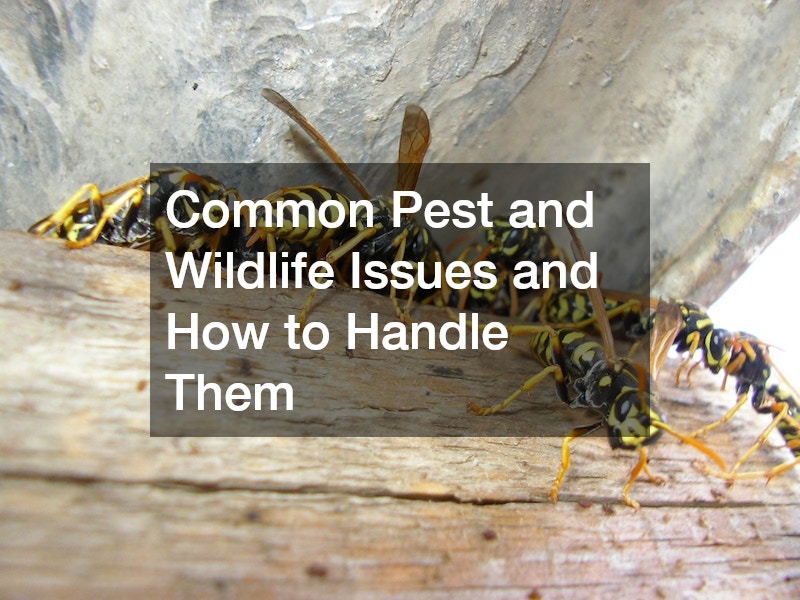
Why Pest and Wildlife Problems Should Never Be Ignored
Pest and wildlife issues are something nearly every homeowner encounters at some point, yet they’re often underestimated until they become serious problems. What may begin as a faint scratching sound in the attic or a few droppings in the garage can quickly escalate into structural damage, contamination, and even health risks. Many pests and wild animals are highly adaptable, capable of finding small entry points and turning them into long-term nesting areas.
Homes naturally provide the essentials that these intruders seek—warmth, shelter, and easy access to food. Seasonal changes tend to increase activity, particularly in colder months when animals look for indoor refuge, or in warmer months when insects and rodents multiply rapidly. Because of this, infestations are rarely random; they are often the result of small vulnerabilities in a home’s structure or maintenance routine.
Understanding how to recognize, manage, and prevent these issues is key to maintaining a safe and comfortable living environment. By taking a proactive approach, homeowners can significantly reduce the likelihood of long-term damage and avoid the stress that comes with large-scale infestations.
Recognizing Subtle Signs Before Infestations Take Hold
One of the biggest challenges homeowners face is identifying a problem before it becomes obvious. Pests and wildlife are naturally elusive, often remaining hidden until their presence has already caused noticeable damage. Subtle signs are usually the first indicators, and recognizing them requires attention to detail.
Sounds are often the earliest clue. Scratching, scurrying, or faint thumping noises inside walls or ceilings can point to animals nesting or moving through structural spaces. These sounds are usually more noticeable at night, when many species are most active. Over time, what starts as occasional noise can become more frequent and louder as populations grow or animals become more comfortable within the home.
Visual indicators can be just as telling. Small droppings in corners, along baseboards, or near food sources are a strong sign of activity. Gnaw marks on wood, plastic, or wiring suggest the presence of rodents, while greasy smudges along walls can indicate regular travel paths. In some cases, homeowners may notice damaged insulation, shredded materials, or even small entry holes around vents and roofing edges.
Odors are another overlooked signal. A persistent, musty, or foul smell may point to nesting areas or waste accumulation. In more severe cases, it can indicate the presence of a dead animal within walls or crawl spaces.
At this stage, many homeowners attempt to manage the issue themselves, but this can sometimes lead to incomplete solutions. A professional pest control service has the experience to identify not just the visible signs, but also the underlying causes. Likewise, trained exterminators understand how to trace activity back to its source, ensuring that the problem is addressed thoroughly rather than temporarily masked.
Handling Indoor Animal Encounters Without Escalating the Situation
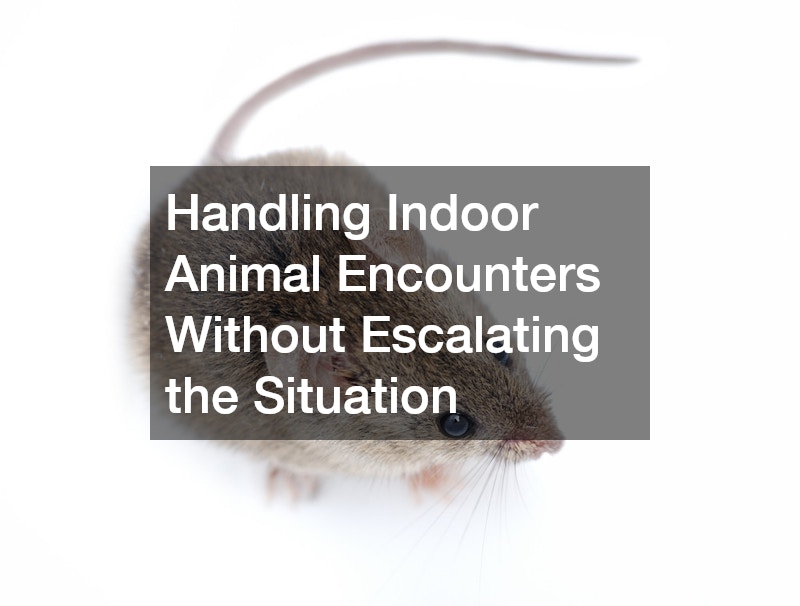
Finding an animal inside your home can be unsettling, especially when the situation is unexpected. Whether it’s a squirrel in the attic, a bird trapped in a vent, or another type of wildlife that has found its way indoors, the immediate reaction is often panic. However, how the situation is handled in those first moments can significantly impact the outcome.
Animals that enter homes are typically frightened and disoriented. Their instinct is to find a way out or to hide, but when they feel threatened, they may act defensively. This is why attempting to chase or corner them often leads to more damage or even injury. Instead, maintaining distance and minimizing noise can help reduce stress on both the homeowner and the animal.
Understanding how the animal entered is just as important as removing it. Common entry points include roof gaps, damaged vents, chimneys, and foundation cracks. These openings may seem minor but can provide easy access for animals seeking shelter. Once inside, they may create nests, damage insulation, or leave behind waste that can contaminate living spaces.
Professional animal removal focuses not only on safely removing the intruder but also on addressing the conditions that allowed it to enter. A reputable wildlife removal company will assess the situation, identify entry points, and recommend repairs or reinforcements to prevent repeat incidents. This comprehensive approach is what separates temporary fixes from long-term solutions.
Addressing Bat Activity in Attics and Upper Structures
Bats are among the more challenging wildlife issues homeowners face, largely because they tend to occupy hard-to-reach areas such as attics and rooflines. These spaces provide the darkness and quiet that bats prefer, making them ideal nesting environments.
While bats are beneficial to ecosystems—particularly for controlling insect populations—their presence inside a home can create complications. Over time, droppings can accumulate in large quantities, leading to strong odors and potential health concerns. This buildup can also damage insulation and create conditions that attract other pests.
Bat removal must be handled carefully; many species are protected, and improper methods can be both ineffective and legally problematic. Rather than attempting to remove them directly, professionals rely on exclusion techniques that allow bats to exit safely while preventing re-entry.
Wildlife control services typically begin by identifying all entry and exit points. Because bats can squeeze through extremely small openings, a thorough inspection is essential. Once these points are located, one-way devices are installed to guide the bats out of the structure. After the colony has vacated, the openings are sealed to ensure they cannot return.
The process requires patience and precision, but when done correctly, it provides a humane and lasting solution. Without proper sealing, however, bats are likely to return to the same location, making prevention just as important as removal.
Managing Raccoon Damage and Preventing Repeat Intrusions
Raccoons are highly adaptable animals known for their intelligence and persistence. They are particularly skilled at finding entry points into homes, often targeting attics, crawl spaces, and garages. Once inside, they can cause extensive damage in a relatively short amount of time.
Unlike smaller pests, raccoons are strong enough to tear through roofing materials, vents, and even wood. Their presence is often marked by loud noises, especially at night, as well as visible damage to exterior structures. Homeowners may also notice displaced insulation, scattered debris, or evidence of nesting.
Raccoons are not just destructive—they can also pose health risks. They are known carriers of diseases and parasites, which can be transmitted through contact with contaminated surfaces or waste. This makes handling them without proper precautions particularly risky.
Raccoon removal requires a strategic approach that considers both the animal’s behavior and the layout of the home. Wildlife control services use humane trapping methods and relocation strategies to address the issue effectively. However, removal alone is not enough. If entry points are not secured, new animals may take advantage of the same vulnerabilities.
Long-term prevention often involves reinforcing weak areas of the home, securing garbage containers, and eliminating food sources that may attract wildlife. By making the property less accessible and less appealing, homeowners can significantly reduce the likelihood of future intrusions.
Controlling Rat Populations Before They Multiply
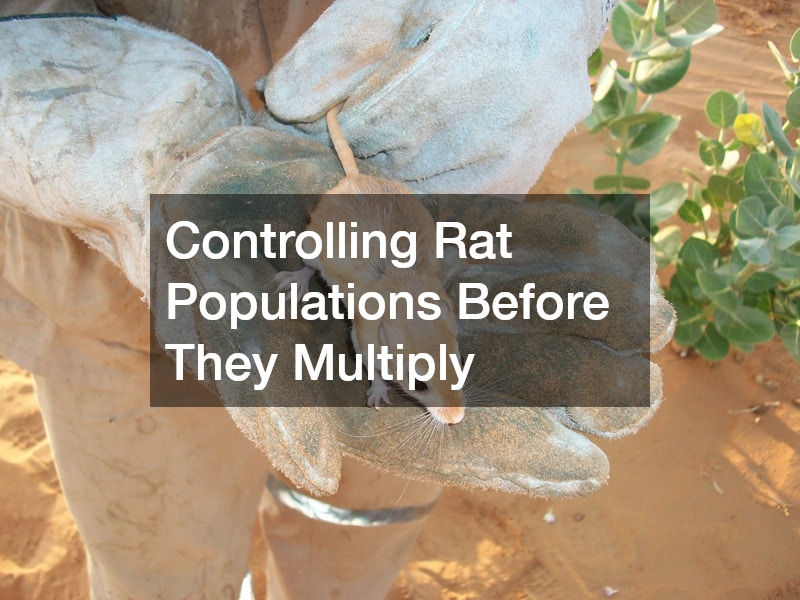
Rats are among the most persistent and problematic pests that can invade a home. Their ability to reproduce quickly means that a small issue can turn into a full infestation in a matter of weeks. Once established, they can be difficult to eliminate without a comprehensive approach.
These rodents are known for their destructive habits. They chew through wood, insulation, and even electrical wiring, creating both structural damage and fire hazards. In addition, they contaminate surfaces with droppings and urine, which can pose serious health risks.
Rats are also highly resourceful when it comes to finding entry points. Small gaps in foundations, poorly sealed doors, and openings around utility lines can all serve as access routes. Once inside, they tend to remain hidden, building nests in walls, attics, or basements.
A professional rat exterminator approaches the problem by identifying nesting areas, travel paths, and entry points. This allows for targeted treatment that addresses the entire population rather than just the visible individuals. Experienced exterminators also implement measures to prevent re-entry, ensuring that the infestation does not return.
Because of their resilience, rats require consistent monitoring even after removal. Without addressing the underlying causes, it is common for new populations to move in over time.
Preventing Structural Damage Caused by Termites
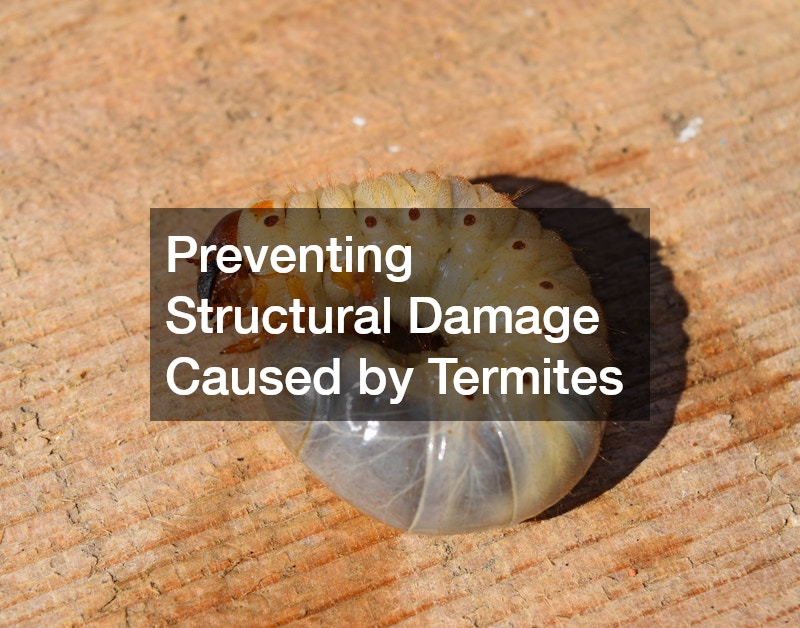
Termites are often described as silent destroyers because they can cause significant damage without immediate detection. Unlike other pests, they feed directly on wood, which makes them particularly dangerous to the structural integrity of a home.
Infestations typically begin underground, where termites build colonies that can remain hidden for long periods. From there, they create tunnels into wooden structures, gradually weakening them from the inside out. By the time visible signs appear, such as hollow wood or mud tubes, the damage may already be extensive.
Effective termite control requires a proactive approach. Regular inspections can help identify activity early, while treatments can target colonies before they spread. A professional pest control service has access to specialized tools and methods that go beyond surface-level solutions, addressing the root of the infestation.
Moisture plays a significant role in attracting termites. Areas with poor drainage, leaks, or high humidity are particularly vulnerable. By addressing these conditions, homeowners can reduce the likelihood of an infestation taking hold.
Because termite damage can be costly to repair, prevention is often the most practical strategy. Routine maintenance and awareness are key factors in protecting a home from long-term harm.
Dealing with Aggressive Nesting Insects Around the Home
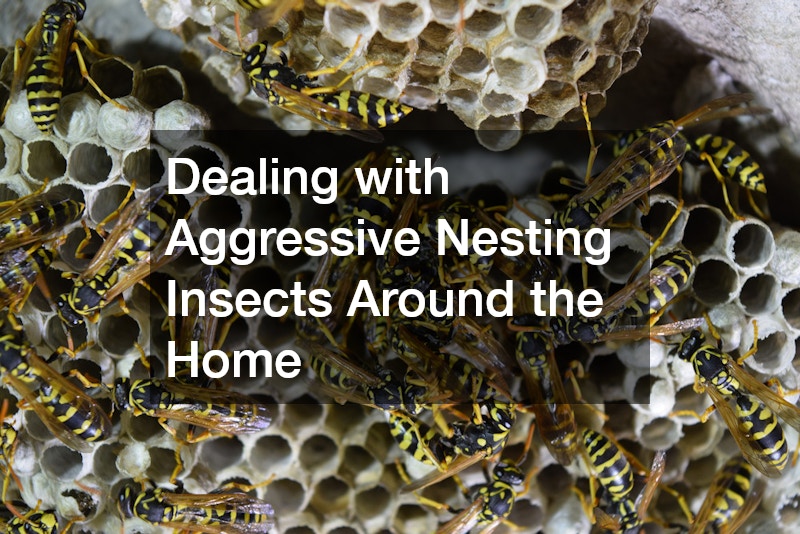
Wasps are a common concern during warmer months, especially when they build nests close to living areas. These insects are highly territorial and can become aggressive if they perceive a threat, making their presence more than just an inconvenience.
Nests are often found in sheltered locations such as under eaves, inside wall cavities, or in trees near the home. Early in the season, nests may be small and less noticeable, but they can grow rapidly as colonies expand. This growth increases the risk of encounters and potential stings.
Attempting wasp nest removal without proper protection can be dangerous. Disturbing a nest can trigger a defensive response, leading to multiple stings in a short period of time. For individuals with allergies, this can be particularly serious.
A professional pest control service approaches the situation with the appropriate equipment and techniques to minimize risk. By treating the nest at the right time and using effective methods, they can eliminate the colony while reducing the chance of recurrence.
Preventing future nests often involves addressing the conditions that attract wasps, such as accessible food sources or sheltered building areas. Regular inspections during peak seasons can help identify and address new nests before they become a larger problem.
Understanding When Professional Intervention Is Necessary
While some minor pest issues can be handled with basic measures, there are many situations where professional intervention becomes necessary. Larger infestations, aggressive animals, and hidden nesting areas often require specialized knowledge and tools that go beyond standard DIY approaches.
A wildlife removal company is equipped to handle complex situations involving animals that may be difficult to access or remove safely. They understand the behavior of different species and can tailor their approach accordingly. This level of expertise is particularly important when dealing with protected wildlife or situations that require humane handling.
Similarly, experienced exterminators bring a level of precision and efficiency that is difficult to achieve without training. They are able to identify the full scope of an infestation, implement targeted treatments, and monitor results over time.
One of the key advantages of professional services is their ability to provide long-term solutions. Rather than addressing only the visible symptoms, they focus on eliminating the root causes of the problem. This reduces the likelihood of recurring issues and provides greater peace of mind for homeowners.
Building Long-Term Habits That Keep Your Home Protected
Maintaining a pest- and wildlife-free home is an ongoing process that involves awareness, consistency, and preventative care. Small habits, such as sealing entry points, managing waste properly, and conducting regular inspections, can make a significant difference over time.
Environmental factors also play a role. Landscaping choices, drainage systems, and even how outdoor spaces are used can influence the likelihood of attracting pests or wildlife. By creating an environment that is less inviting, homeowners can reduce the chances of encountering problems in the first place.
Ultimately, the key to managing pest and wildlife issues lies in a balanced approach that combines early detection, proper handling, and long-term prevention. By staying informed and proactive, homeowners can protect their property and maintain a safe, comfortable living space for years to come.
