Protecting a home requires more than reacting to visible problems. Water intrusion, hidden moisture, and exterior vulnerabilities can quietly compromise structural integrity, indoor air quality, and long-term property value. Homeowners who understand how damage develops—and how professionals address it—are better prepared to protect their investment before small issues become major repairs.
Modern residential protection relies on early detection, skilled trade coordination, and preventative improvements. From managing water intrusion to reinforcing roofing systems, professional contractors play a critical role in restoring safety and preventing repeat damage. Knowing what to expect from each stage of the process allows homeowners to make informed decisions and maintain a durable, healthy living environment.
In many cases, damage begins in areas that are easy to overlook, such as behind walls, beneath flooring, or within attic spaces. Moisture can linger undetected, slowly weakening materials and creating conditions that support further deterioration. By the time stains, odors, or visible mold appear, the underlying issue may already be extensive. Proactive inspections and routine evaluations help uncover these hidden risks early, reducing both repair costs and disruption to daily life.
Additionally, prevention is most effective when viewed as an ongoing strategy rather than a one-time fix. Seasonal maintenance, proper ventilation, and timely upgrades all contribute to a home’s resilience against environmental stressors. When homeowners take a proactive, informed approach—supported by qualified professionals—they gain greater control over their property’s condition and longevity. This mindset not only protects physical structures but also preserves comfort, safety, and peace of mind for everyone living in the home.
Recognizing and Responding to Early Signs of Water Intrusion
Water intrusion often begins subtly, with signs that are easy to overlook until damage becomes extensive. Discoloration on walls, musty odors, or unexplained increases in humidity may indicate an underlying issue. Addressing these early warning signs quickly is essential to limiting damage and reducing repair costs.
Professional assessment typically begins with identifying the source of the problem. In many cases, leaks originate from plumbing systems hidden behind walls or beneath flooring. Experienced local plumbers are trained to locate these issues using pressure testing, moisture detection tools, and visual inspections.
A professional water damage service focuses on more than surface-level cleanup. The goal is to identify affected materials, stop active leaks, and prevent moisture from spreading further into the structure.
Common early indicators homeowners should watch for include:
-
Water stains on ceilings or walls
-
Warped flooring or soft drywall
-
Persistent musty or damp odors
-
Unexpected increases in utility bills
-
Condensation buildup in non-humid areas
Immediate steps homeowners can take:
-
Shut off the main water supply if a leak is suspected
-
Avoid using affected areas until assessed
-
Document visible damage with photos
-
Contact qualified professionals promptly
Fast action reduces the likelihood of secondary issues, such as mold growth or structural weakening.
Beyond these initial steps, homeowners benefit from understanding how moisture behaves within a structure. Water does not always travel straight down; it can wick through drywall, insulation, and framing, spreading far from the original source. This is why professional assessments often include moisture mapping to identify hidden pockets of dampness that may not be immediately visible. Without proper drying and containment, these areas can remain compromised long after surface repairs are completed.
Preventive measures also play a key role in reducing future risk. Regular inspections of plumbing connections, appliance hoses, and shutoff valves can help catch wear before failure occurs. Installing leak detection devices or automatic shutoff systems adds an extra layer of protection, especially in areas prone to freezing temperatures or aging infrastructure. Maintaining proper ventilation in kitchens, bathrooms, and laundry areas further helps control indoor humidity levels.
By staying alert to subtle warning signs and responding decisively, homeowners can significantly limit the impact of water intrusion. Early detection, combined with professional evaluation and preventive planning, protects both the structure of the home and the health of those living inside it.
Restoring Structural Integrity After Water Exposure
Once water intrusion is contained, restoring the home’s structure becomes the priority. Moisture weakens framing, compromises insulation, and degrades flooring and drywall if left untreated. Professional water restoration focuses on thoroughly drying affected areas and repairing damage at its source.
Drying alone is not sufficient. Structural components must be evaluated to determine whether they can be salvaged or require replacement. This process often involves advanced drying equipment, dehumidification systems, and moisture monitoring over several days.
A qualified home improvement contractor plays a central role during this phase by coordinating repairs across trades and ensuring all work meets safety standards.
Key restoration steps include:
-
Removing damaged materials that cannot be dried
-
Drying framing, subfloors, and insulation
-
Treating surfaces to prevent microbial growth
-
Rebuilding damaged areas with durable materials
Benefits of professional oversight:
-
Ensures repairs align with building codes
-
Prevents incomplete drying that leads to future issues
-
Maintains clear documentation for insurance purposes
-
Coordinates timelines to minimize disruption
Effective restoration restores both the physical structure and the homeowner’s confidence in the safety of the space.
In addition to repairing visible damage, a comprehensive restoration process addresses long-term performance and resilience. Materials selected during reconstruction should be moisture-resistant and appropriate for the specific environment, especially in areas such as basements, bathrooms, and utility rooms. Upgrading insulation, subflooring, or wall systems during restoration can improve energy efficiency and reduce the risk of future moisture intrusion.
Clear communication throughout the process is equally important. Homeowners benefit when contractors explain each phase of the work, provide realistic timelines, and outline any potential challenges before repairs begin. This transparency helps manage expectations and ensures informed decision-making, particularly when insurance approvals or material lead times affect scheduling.
Finally, post-restoration inspections provide assurance that the work was completed correctly. Moisture readings, structural assessments, and final walkthroughs confirm that the home is safe to occupy and fully restored. By approaching restoration with attention to detail and professional coordination, homeowners can move forward with confidence, knowing their property is protected and prepared for long-term use.
Preventing Health Risks Through Proper Mold Treatment
Moisture that lingers after water damage creates ideal conditions for mold growth. Mold can spread quickly behind walls, under flooring, and within ventilation systems, posing potential health risks and damaging building materials.
Professional mold remediation addresses both visible growth and hidden contamination. The process begins with containment to prevent spores from spreading to unaffected areas. Air filtration systems and protective barriers are used throughout treatment.
Licensed mold removal services go beyond surface cleaning by eliminating contaminated materials and addressing the underlying moisture source.
Common areas where mold develops include:
-
Behind drywall and baseboards
-
Beneath carpeting or laminate flooring
-
Inside cabinets exposed to leaks
-
Around windows and exterior walls
Effective mold management includes:
-
Identifying and isolating affected areas
-
Removing contaminated materials safely
-
Cleaning and treating remaining surfaces
-
Verifying moisture levels before reconstruction
Addressing mold promptly protects indoor air quality and prevents repeated contamination.
In addition to remediation, prevention plays a critical role in long-term mold control. Improving ventilation, sealing entry points where moisture can intrude, and maintaining consistent indoor humidity levels help reduce the likelihood of future growth. Dehumidifiers, exhaust fans, and proper insulation can significantly improve moisture management in vulnerable areas of the home.
Homeowners should also remain alert for recurring signs such as musty odors, discoloration, or unexplained allergy symptoms, as these may indicate hidden mold activity. Scheduling follow-up inspections after remediation ensures that moisture levels remain stable and that corrective measures are working as intended. By combining professional treatment with preventive strategies, homeowners can create a healthier living environment and reduce the risk of ongoing mold-related issues.
Addressing Moisture Damage in Bathrooms and High-Humidity Spaces
Bathrooms are particularly vulnerable to moisture due to daily water use and limited airflow. Leaks around fixtures, failing waterproofing, and poor ventilation can allow moisture to penetrate walls and floors.
A skilled bathroom remodeling contractor approaches repairs with both durability and functionality in mind. Rather than simply replacing damaged finishes, the goal is to rebuild systems that prevent future moisture intrusion.
Collaboration with local plumbers ensures that pipes, drains, and fixtures are properly installed and sealed before finishes are applied.
Common moisture-related bathroom issues include:
-
Deteriorated subfloors
-
Mold-prone wall cavities
-
Failed shower pan liners
-
Inadequate exhaust ventilation
Smart remodeling strategies:
-
Use moisture-resistant wallboard and flooring
-
Upgrade ventilation fans to handle humidity levels
-
Install proper waterproofing behind tile and fixtures
-
Adjust layouts to minimize splash zones
Well-planned bathroom repairs improve comfort while significantly reducing the risk of repeat damage.
Protecting the Home From Above With Proactive Roof Maintenance
The roof serves as the primary barrier against weather-related damage. Even minor issues can allow water to infiltrate the home, leading to insulation damage, mold growth, and interior deterioration.
Professional roofers are trained to identify early warning signs that homeowners may miss. Routine inspections are essential, particularly after severe weather events.
An experienced roofing contractor evaluates not only surface materials but also flashing, ventilation, and structural components.
Warning signs of roofing problems include:
-
Missing, cracked, or curling shingles
-
Water stains on ceilings or attic surfaces
-
Granule accumulation in gutters
-
Sagging or uneven rooflines
Maintenance practices that extend roof life:
-
Clearing debris regularly
-
Repairing minor damage promptly
-
Scheduling annual inspections
-
Ensuring proper attic ventilation
Proactive roof care protects the entire home from water intrusion.
Upgrading Roofing Systems for Enhanced Water Resistance
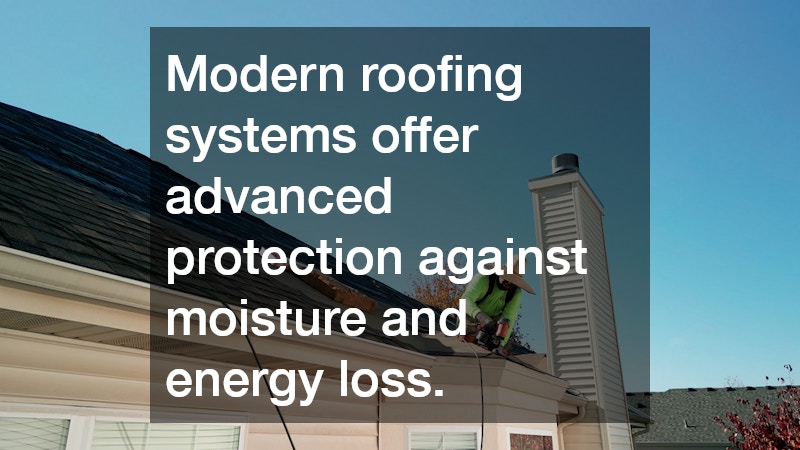
Modern roofing systems offer advanced protection against moisture and energy loss. Spray foam roofers specialize in seamless applications that create continuous barriers without traditional seams or joints.
This roofing method is particularly effective for flat or low-slope roofs, where standing water can cause recurring issues. A knowledgeable roofing contractor determines whether this solution is appropriate based on structural requirements and climate conditions.
Advantages of spray foam roofing include:
-
Seamless application that reduces leak points
-
Improved insulation and energy efficiency
-
Lightweight materials that minimize structural stress
-
Long service life with proper maintenance
Ideal applications include:
-
Residential and commercial flat roofs
-
Structures undergoing energy upgrades
-
Roofs with recurring leak issues
Advanced roofing solutions provide both immediate protection and long-term savings.
Coordinating Multi-Trade Projects for Faster, Safer Repairs
Complex damage often requires multiple professionals working in sequence. Without coordination, repairs may overlap or interfere with one another, increasing costs and delays.
A qualified home improvement contractor provides centralized oversight, ensuring that each phase of repair is completed in the correct order. This approach is especially important during extensive water restoration projects.
Benefits of coordinated management include:
-
Streamlined scheduling across trades
-
Clear communication and accountability
-
Reduced downtime between repair phases
-
Consistent documentation and inspections
Effective coordination ensures that:
-
Structural repairs align with finishing work
-
Moisture levels are verified before rebuilding
-
Budgets and timelines remain transparent
Centralized oversight reduces stress and improves repair quality.
Long-Term Prevention Strategies for Homeowners
Protecting a home long term requires shifting from reactive repairs to proactive prevention. Routine monitoring and scheduled maintenance reduce the likelihood of repeated damage.
Preventative strategies include:
-
Regular inspections of plumbing and roofing systems
-
Monitoring indoor humidity levels
-
Prompt response to minor leaks
-
Scheduling professional assessments when needed
Occasional mold remediation assessments can help identify hidden risks, especially in older homes or areas with high humidity. Partnering with a trusted water damage service provider ensures fast response if issues arise.
Preventive planning benefits homeowners by:
-
Reducing emergency repair costs
-
Preserving indoor air quality
-
Extending the lifespan of building materials
-
Maintaining property value
Long-term protection begins with informed decision-making and consistent care.
Protecting a home from water damage, mold, and exterior vulnerabilities requires a thoughtful, proactive approach. By understanding how professionals assess risk, coordinate repairs, and implement preventive strategies, homeowners can make informed choices that safeguard both comfort and structural integrity. Rather than waiting for visible damage to appear, proactive homeowners focus on early detection, routine evaluations, and continuous improvement of critical systems throughout the property.
Routine maintenance, timely repairs, and strategic upgrades work together to prevent costly emergencies and ensure long-term reliability. Regular inspections help identify subtle warning signs, such as minor leaks, ventilation issues, or material wear, before they escalate into extensive damage. Addressing these concerns early reduces repair timelines, minimizes disruption to daily life, and protects the home’s structural framework from unnecessary stress.
Equally important is understanding how different systems interact. Roofing, plumbing, insulation, and interior finishes do not function independently. A weakness in one area can quickly affect others, leading to compounding issues if left unaddressed. Coordinated planning ensures repairs and upgrades complement one another, creating a more durable and cohesive living environment. This approach also supports better budgeting, as homeowners can prioritize projects based on risk, urgency, and long-term benefit.
Homeownership is an ongoing responsibility that evolves as the property ages and household needs change. Staying informed about maintenance best practices, material advancements, and preventive solutions empowers homeowners to adapt proactively rather than reactively. When improvements are planned with care and guided by experienced professionals, the result is a home that remains safe, resilient, and well-prepared for the future—offering peace of mind, consistent comfort, and lasting value for years to come.