Preparing your home for pest control services is a critical step in ensuring the effectiveness of treatments and maintaining a safe environment for your family. This comprehensive guide will cover essential aspects of preparation, common questions, and expert tips to maximize the impact of professional pest control services.
What Preparations Are Necessary Before Pest Control?
Clearing Clutter
Remove any unnecessary items and clutter from the areas to be treated to ensure accessible surfaces for effective pest control. This involves systematically organizing spaces and discarding or storing items that are not needed immediately.
Cluttered environments not only hinder the efficiency of pest control measures but also provide breeding grounds for pests. Surfaces that are clear promote thorough application of treatments and allow for early detection of pest activity.
Homeowners should particularly focus on more prone areas such as kitchens and bathrooms where pests are most likely to inhabit. Ensuring these areas are accessible before professionals arrive can significantly enhance the effectiveness of pest control operations.
Protecting Belongings
Safeguard your personal items by storing them in sealed plastic containers or removing them from the area to prevent contamination during pest control services. This step is vital as it prevents potential exposure to pest control substances, which may be harmful if not handled properly.
Plastic containers serve as a protective barrier, especially for items like food, clothing, and personal care products. Removing items is particularly beneficial in rooms where treatments will be heavily utilized, averting any chance of contamination.
It’s recommended to remove or protect valuable electronics and sensitive personal belongings, as some pest control substances could cause damage or contamination over time. Properly preparing these areas ensures that personal belongings remain safe and uncontaminated during the pest control process.
How Can I Ensure Safety During Pest Control?
Safe Access for Technicians
Provide clear pathways for pest control technicians to reach targeted areas easily, minimizing disruptions and ensuring thorough treatments. Technicians equipped with detailed access can conduct more comprehensive evaluations and techniques.
Without the need to navigate obstacles, technicians are able to spend more time focusing on areas where pest activity is expected, leading to higher efficacy in treatments. Clear pathways also reduce the risk of accidental breaches of safety protocols during the operation.
Ensuring a safe working environment not only protects technicians but also maximizes the effectiveness of pest control services for the homeowner. Consistently smooth operations contribute significantly to successful pest control outcomes.
Health and Safety Precautions
Follow guidelines on ventilation and wait times after pest control treatments to ensure the safety of your family and pets. Proper ventilation is crucial as it helps dissipate chemical fumes and thus mitigates exposure.
Each treatment comes with specific instructions regarding re-entry times that must be adhered to strictly, ensuring a safe environment. Pets, being significantly smaller and often closer to treatment areas, require particular attention during and after treatments.
Besides adhering to provided schedules, it’s imperative to ensure children’s toys and pet food dishes are thoroughly protected or removed, reducing any potential exposure. Conscious attention to safety guidelines ensures that both human and animal residents remain unharmed by pest control activities.
What Should I Do After the Pest Control Service?
Post-Treatment Cleaning
Identify specific cleaning measures to be taken after the treatment, emphasizing non-removal of essential pest control residues. Cleaning recommendations generally focus on sweeping or vacuuming without washing treated areas.
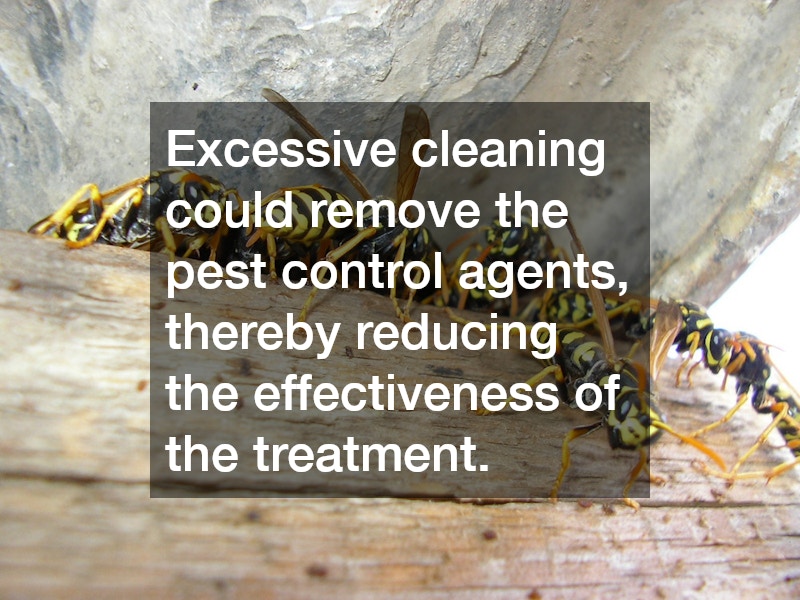
Excessive cleaning could remove the pest control agents, thereby reducing the effectiveness of the treatment. Special care is needed in areas that were directly treated, ensuring that protective barriers remain intact.
Common cleaning practices involve limited mopping and vacuuming, mainly targeting areas that need regular maintenance. Understanding the balance between cleanliness and preservation of treatment effects is key to maintaining efficacy in pest control solutions.
Monitoring and Follow-Up
Understand the importance of follow-up visits and monitoring to maintain pest-free conditions over the long term. Follow-up visits often address areas needing further treatment or adjustment based on initial outcomes.
Homeowners are advised to monitor for recurring pest activity, keeping records that will assist pest control technicians in assessing treatment effectiveness. Monitoring not only contributes to immediate success but also aids in the prevention of future infestations.
Additional services or adjustments may be required based on environmental changes or pest resurgence, making follow-up practices integral to the comprehensive pest management process. Sustaining pest-free environments necessitates ongoing assessments and timely interventions.
Effective preparation for pest control services not only enhances treatment outcomes but also ensures the safety and comfort of your home. By understanding and implementing these strategies, you can achieve a harmonious balance between maintaining a pest-free home and preserving a healthy living environment.
