What Are the Most Common Pests?
Seasonal Pests to Watch For
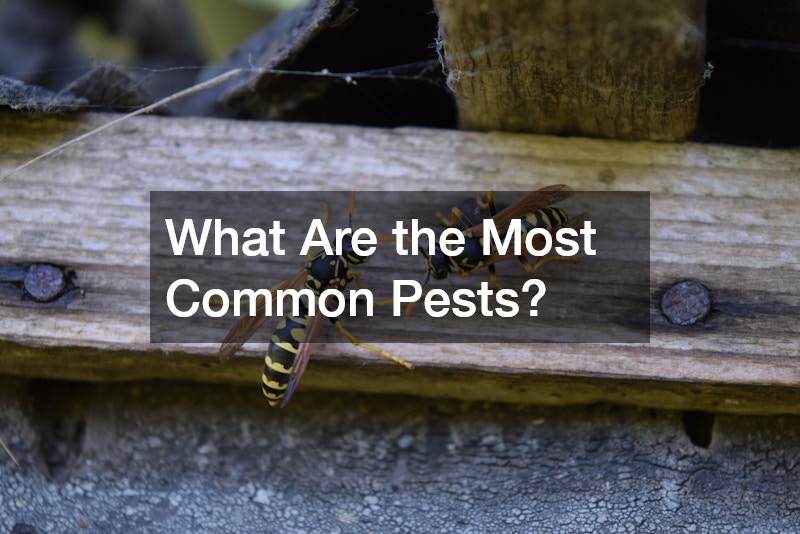
Different seasons bring various pest challenges. During spring and summer, ants and wasps are particularly active due to the warmer weather. Meanwhile, in fall and winter, rodents such as mice and rats seek the cozy warmth of houses, trying to escape the colder temperatures present in Boise, ID.
Identifying Common Household Pests
The most common household pests in Boise, Idaho, include ants, cockroaches, and spiders. Homeowners need to identify these pests early to deal with them effectively. Spotting these pests early can lead to successful pest control and maintain the cleanliness of homes in the region.
Pests in Urban vs. Rural Areas
Urban areas tend to deal more with insects and cockroaches due to dense housing. In contrast, rural residents often face larger pests like squirrels and raccoons. Understanding your surrounding environment can help tailor specific pest control methods appropriate for your area.
Impact of Climate on Pest Activity
Dry and warm summers lead to increased pest activity as pests like ants and mosquitoes thrive in these conditions. Conversely, the harsh, snowy winters drive pests indoors, which can result in increased infestations. Being aware of these climate-related patterns can help in proactive pest management.
Signs of a Pest Infestation
Common signs of infestation include droppings, gnawed materials, and unusual noises within walls. Encountering pests during the daytime often indicates a possible infestation because these creatures are mostly nocturnal. Timely identification of these signs is crucial for effective pest control.
How Can I Prevent Pests from Entering My Home?
Sealing Entry Points
One of the most effective preventive measures against pests is sealing all potential entry points. Homeowners should focus on fixing cracks in walls, using weather stripping, and ensuring doors and windows close tightly to deter pests.
Maintaining Cleanliness in Living Spaces
Regular cleaning removes potential food sources that attract pests. It’s vital to keep floors, counters, and kitchen areas clean and free from crumbs and spills. A clean home is less inviting for pests, acting as a natural deterrent.
Proper Food Storage Techniques
Storing food in airtight containers reduces the risk of pest infestation. Keep pantries and storage areas neat and organized to prevent pests such as rodents and insects from being attracted to your food supplies.
Landscaping Tips for Pest Prevention
Keeping your garden and landscape neatly maintained can aid in preventing pest infestations. Regular pruning and trimming remove habitats for pests like rodents and insects. Consider planting pest-resistant plants or herbs to naturally deter unwanted visitors.
Regular Home Inspections
Conducting regular inspections around the home can detect early signs of pest activity. Homeowners should look for early indicators such as droppings, chew marks, and nests in hidden spots. Acting on these findings promptly can avert severe infestations.
What Are Effective DIY Pest Control Methods?
Homemade Remedies for Common Pests
Homemade pest remedies include using vinegar or peppermint oil solutions as natural repellents. These methods are cost-effective and can often deter small ant or insect infestations without professional intervention.
Using Natural Deterrents
Natural deterrents like diatomaceous earth or essential oils provide eco-friendly pest control options for homeowners. These substances can disrupt pest habitats, preventing infestation growth organically.
Setting Traps Strategically
Traps should be placed in locations where pest activity is highest, such as near suspected entry points. Placing traps along walls or baseboards can help target rodents or insects effectively. Understanding pest behavior helps in positioning traps strategically for optimal results.
When to Call a Professional
If pest populations grow despite DIY efforts, it might be wise to seek professional pest control in Boise, ID. Major infestations require expert strategies and solutions to mitigate the problem effectively. Timely professional intervention can prevent damage and costly repairs.
Balancing Cost and Effectiveness
While DIY methods can be inexpensive, they may not always guarantee long-term solutions. Professional pest control in Boise, ID offers longevity and effectiveness, particularly for stubborn infestations. Weighing the costs against benefits ensures sustained pest-free living conditions.
How Often Should Pest Control Be Done?
Factors Affecting Pest Control Frequency
Factors such as location, climate, and previous pest issues influence the frequency of pest control treatments. Conducting pest control yearly can mitigate issues, maintaining a healthy living environment.
Recommendations for Seasonal Treatments
Seasonal treatments offer proactive protection as pest activities vary with each season. Implementing treatments before pest season peaks ensures that protective measures are in place beforehand.
Preventive vs. Reactive Pest Control
Preventive measures offer long-term benefits, reducing the likelihood of infestations. Reactive pest control only addresses visible symptoms and can lead to recurring issues if not followed by preventive strategies.
Signs That You Need Immediate Intervention
If you notice increased pest activity or damage, it’s essential to seek immediate assistance. Early intervention can prevent the escalation of infestations, saving on repair costs and health risks.
